

982 N. Tyler Road Ste. A
Wichita, KS 67212

FAQ: Myopia Management in Wichita, KS
At Baalman Eye Care Center in Wichita, KS, we provide personalized myopia management to help slow the progression of nearsightedness in children. Our approach focuses on early detection, effective treatment options, and ongoing monitoring to protect your child's developing vision. Below are frequently asked questions on myopia management.
What is myopia management?
Myopia management is a specialized approach to slowing the progression of nearsightedness in children. Unlike standard glasses that only correct blurry vision, myopia control treatments are designed to reduce how quickly nearsightedness worsens. At our Wichita practice, we develop personalized treatment plans based on your child's prescription, age, and eye health.
Why is myopia management important for children?
Progressive myopia can lead to stronger prescriptions and an increased lifetime risk of eye conditions such as retinal detachment and glaucoma. Early intervention can help limit excessive eye growth and potentially reduce long-term risks. We provide myopia management in Wichita to help children maintain healthier vision as they grow.
How can I tell if my child is becoming nearsighted?
Common signs include squinting, difficulty seeing distant objects, sitting close to screens, and struggling to read the classroom board. Some children experience no noticeable symptoms. Our eye exams identify nearsightedness early and determine whether myopia management is appropriate.
At what age should children start myopia management?
Children should be evaluated for myopia management as soon as nearsightedness develops or signs of progression appear. Treatment can begin during childhood, depending on the child's age, prescription, and the selected method. At Baalman Eye Care Center in Wichita, we determine the appropriate time to begin treatment through a comprehensive evaluation.
What causes childhood myopia to worsen?
Myopia progression is influenced by genetics, eye growth, and environmental factors. Children with nearsighted parents may have a higher risk, while prolonged near work and limited outdoor activity can also contribute. During evaluations at our Wichita office, we assess these factors to develop an appropriate management plan.
What happens during a myopia management evaluation in Wichita?
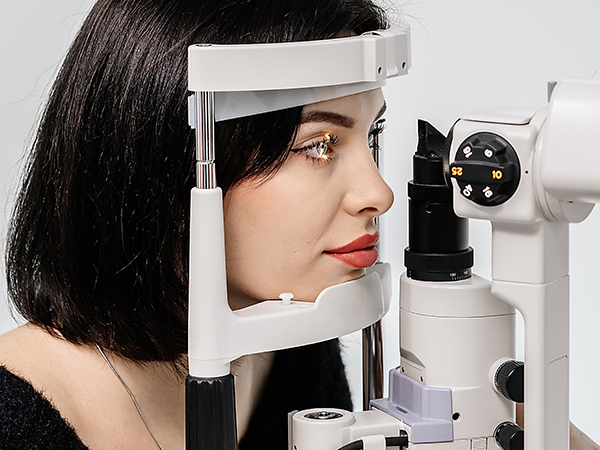
We examine your child's prescription, assess overall eye health, review previous vision changes, and evaluate factors associated with myopia progression. Additional measurements may help us monitor eye growth over time. Our team uses these findings to recommend treatment and establish a follow-up schedule.
Which myopia control treatments are available at your office?
At Baalman Eye Care Center, our myopia management options include MiSight 1 day contact lenses, soft multifocal contact lenses, Essilor Stellest eyeglass lenses, and low-dose atropine eye drops. Each option works differently to help slow myopia progression. We evaluate your child's needs and recommend an appropriate approach at our Wichita practice.
How do MiSight 1 day contact lenses help manage myopia?
MiSight 1 day lenses are FDA-approved daily disposable contact lenses designed to correct nearsightedness while slowing its progression in eligible children. Their specialized optical design helps reduce excessive eye growth. We assess your child's eligibility, provide contact lens fitting guidance, and explain proper daily wear and hygiene.
Are Essilor Stellest lenses a good option for children?
Essilor Stellest lenses are specially designed eyeglass lenses that provide clear vision while helping slow myopia progression. They use advanced lenslet technology to influence how light focuses within the eye. We evaluate children to determine whether Stellest lenses are appropriate based on their age, prescription, and vision needs.
Are multifocal contact lenses used for myopia management?
Certain soft multifocal contact lenses can help slow myopia progression by changing how light focuses on the retina. They can also correct blurry distance vision. At Baalman Eye Care Center in Wichita, we assess your child's prescription, eye health, and ability to handle contact lenses safely before recommending this option.
Can myopia management reverse my child's nearsightedness?
Myopia management cannot permanently reverse nearsightedness, but it can slow how quickly the condition progresses. The goal is to limit prescription increases and reduce excessive eye growth during childhood. We help families establish realistic treatment goals and monitor progress through regular evaluations.
How often will my child need follow-up visits for myopia management?
Children receiving myopia management generally need follow-up appointments every six months, although the schedule depends on their treatment and rate of progression. During visits to our office, we evaluate prescription changes, assess eye health, and determine whether treatment adjustments are necessary.
Can outdoor time and screen breaks replace myopia management?
Spending more time outdoors and taking regular breaks from close-up activities can support healthy visual development. However, these habits do not replace prescribed myopia control treatment. We encourage families to combine healthy daily routines with professional monitoring and treatment when appropriate.
Why choose Baalman Eye Care Center for myopia management in Wichita, KS?
At Baalman Eye Care Center, we provide personalized myopia management backed by comprehensive pediatric eye care and established treatment options. Our team focuses on early detection, individualized recommendations, and consistent follow-up to help manage your child's changing vision. We explain each treatment option clearly so parents can make informed decisions about their child's eye care.
To schedule an eye exam, contact Baalman Eye Care Center today. Dr. Kent Baalman and our team are here to help children, adults, and seniors protect their vision with thoughtful, comprehensive eye care. Call our office in Wichita, KS at (316) 722-6452 to book your visit.

- Monday 8:00am - 6:30pm
- Tuesday 8:00am - 5:30pm
- Wednesday 8:00am - 6:30pm
- Thursday 8:00am - 5:30pm
- Friday 8:00am - 1:00pm
- Saturday Closed
- Sunday Closed
© 2026 Baalman Eye Care Center. All rights Reserved - Accessibility Statement - Privacy Policy - Sitemap
Powered by
