

982 N. Tyler Road Ste. A
Wichita, KS 67212

FAQ: Dry Eye Treatment in Wichita, KS
At Baalman Eye Care Center in Wichita, KS, we provide personalized dry eye treatment to address ongoing irritation, burning, redness, watering, and other uncomfortable symptoms. We focus on identifying what is causing your dry eye so we can recommend care that targets the source of the problem rather than simply masking symptoms. Below are frequently asked questions on dry eye treatment in Wichita, KS.
What is dry eye?
Dry eye occurs when your eyes do not produce enough quality tears or when your tears evaporate too quickly. At Baalman Eye Care Center in Wichita, KS, we evaluate your tear film and eye health to determine why dryness is occurring and recommend appropriate treatment.
What are the common symptoms of dry eye?
Dry eye symptoms can include burning, stinging, redness, itching, excessive watering, blurry vision, light sensitivity, or a gritty sensation. Symptoms can range from occasional irritation to persistent discomfort that interferes with reading, screen use, driving, or wearing contact lenses.
What causes dry eye?
Dry eye can have several causes, including meibomian gland dysfunction, inflammation, aging, certain medications, prolonged screen use, contact lens wear, and environmental conditions. We identify the factors contributing to your symptoms so your dry eye treatment can be tailored to your needs.
How do you diagnose dry eye in Wichita, KS?
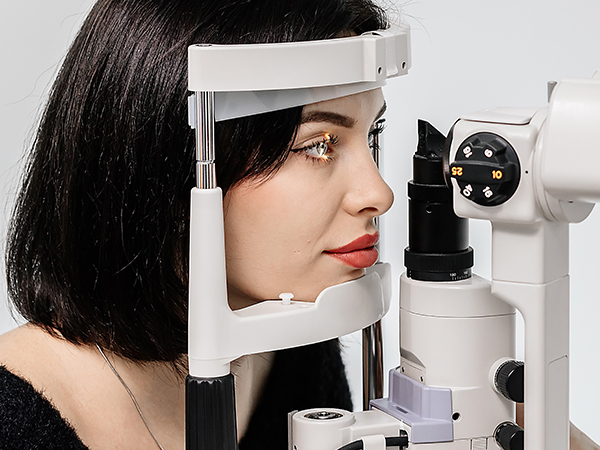
Diagnosing dry eye in Wichita, KS involves evaluating your symptoms, tear quality, eyelids, tear film, and the glands responsible for producing important oils in your tears. At Baalman Eye Care Center, we take a thorough approach to determine the type and severity of dry eye before recommending treatment.
What dry eye treatments are available in Wichita, KS?
Dry eye treatment in Wichita, KS depends on the underlying cause of your symptoms. At Baalman Eye Care Center, treatment may include advanced light-based therapies, eyelid and gland treatments, tear-supporting options, or other personalized approaches designed to improve comfort and tear film quality.
What is meibomian gland dysfunction and how does it contribute to dry eye?
Meibomian gland dysfunction is a common cause of dry eye. These glands produce oils that help prevent tears from evaporating too quickly, and when they become blocked or do not function properly, the tear film becomes less stable. Our dry eye care can target these glands directly to improve their function.
What is intense pulsed light therapy (IPL) for dry eye?
Intense pulsed light therapy (IPL) is an advanced dry eye treatment available in Wichita, KS that uses controlled pulses of light around the eyes. At Baalman Eye Care Center, IPL can help reduce inflammation and support healthier meibomian gland function, improving the quality and stability of your tear film.
What is low-level light therapy (LLLT)?
Low-level light therapy (LLLT) is a light-based option for dry eye treatment in Wichita, KS. LLLT uses controlled light energy to support healthier eyelid and gland function, reduce inflammation, and improve the tear film. We determine whether LLLT is appropriate based on the underlying cause of your dry eye.
Am I a good candidate for IPL or LLLT dry eye treatment?
Patients with persistent dry eye, inflammation, or meibomian gland dysfunction may benefit from IPL, LLLT, or a combination of treatments. We evaluate your eyes carefully before recommending advanced therapy so your treatment plan addresses your specific condition and symptoms.
How many dry eye treatment sessions will I need?
The number of dry eye treatment sessions needed varies based on the severity and cause of your condition. Some patients benefit from a series of treatments followed by maintenance care. We create a treatment schedule based on how your eyes respond and your long-term comfort needs.
Can contact lenses make dry eye worse?
Yes, contact lens wear can sometimes contribute to dry eye symptoms, especially when the tear film is already unstable. We can evaluate your eye surface, tear quality, and contact lenses to determine what is contributing to discomfort and recommend changes or dry eye treatment when necessary.
Can screen time contribute to dry eye symptoms?
Extended screen time can contribute to dry eye symptoms because people tend to blink less frequently while using computers, tablets, and phones. Reduced blinking allows tears to evaporate more quickly. If screen-related dryness becomes persistent, we can determine whether an underlying dry eye condition is also contributing.
Can Wichita, KS weather make dry eye symptoms worse?
Yes, wind, dry air, indoor heating, air conditioning, and seasonal conditions in Wichita, KS can make dry eye symptoms more noticeable. Environmental factors can increase tear evaporation, but recurring symptoms often indicate that the tear film also needs attention. We can identify the cause and recommend a more effective approach to relief.
Will artificial tears fix my dry eye?
Artificial tears can provide temporary relief for some people with dry eye, but they do not always address the underlying problem. When symptoms continue despite using eye drops, we recommend a dry eye evaluation to determine whether inflammation, meibomian gland dysfunction, or another issue requires targeted treatment.
Why choose Baalman Eye Care Center for dry eye treatment in Wichita, KS?
Patients choose Baalman Eye Care Center for dry eye treatment in Wichita, KS because we focus on identifying and treating the underlying source of their symptoms. Our approach combines careful evaluation with advanced options such as intense pulsed light therapy (IPL) and low-level light therapy (LLLT), allowing us to develop a treatment plan based on each patient's individual needs.
If dry, irritated, watery, or uncomfortable eyes are affecting your daily life, contact Baalman Eye Care Center for dry eye treatment in Wichita, KS. Our team is ready to evaluate your symptoms and help you find lasting relief. Call us at (316) 722-6452 to schedule your appointment.

- Monday 8:00am - 6:30pm
- Tuesday 8:00am - 5:30pm
- Wednesday 8:00am - 6:30pm
- Thursday 8:00am - 5:30pm
- Friday 8:00am - 1:00pm
- Saturday Closed
- Sunday Closed
© 2026 Baalman Eye Care Center. All rights Reserved - Accessibility Statement - Privacy Policy - Sitemap
Powered by
